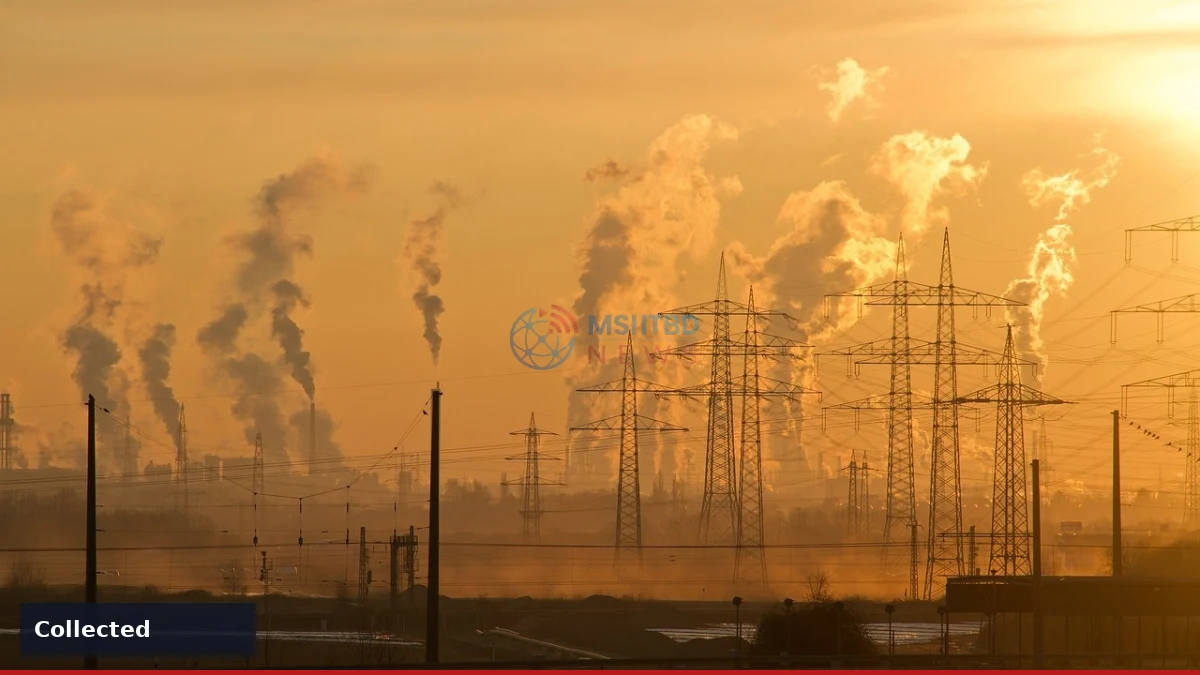
Delhi’s air turned toxic on Deepavali night, with particulate levels soaring to nearly a thousand micrograms per cubic metre.
Key points
- PM2.5 levels in Delhi reached 993 µg/m³, far exceeding the WHO’s 15 µg/m³ guideline.
- Missing data from several monitoring stations indicate the recorded spike may understate the true pollution level.
- Legal restrictions allowing only green firecrackers were not fully observed, with traditional crackers still in circulation.
- Winter weather, stubble burning and routine emissions amplified the firecracker‑driven pollution.
Official readings from the Delhi Pollution Control Committee (DPCC) show that PM2.5 concentrations in parts of the capital surged to 66 times the World Health Organization’s 24‑hour guideline after residents continued to burst firecrackers well past the Supreme Court‑mandated deadline on November 8‑9, 2026.
At 4 a.m. on Monday, Punjabi Bagh recorded 993 µg/m³ of PM2.5 – about 66.2 times the WHO limit of 15 µg/m³. Vivek Vihar logged 873 µg/m³ at 2 a.m. (58.2 times the guideline) and R.K. Puram measured 924 µg/m³ at 10 p.m. on Sunday (61.6 times the guideline). Data from several monitoring stations, including Anand Vihar, R.K. Puram and Bawana, were unavailable for several hours, suggesting the actual spike could have been higher.
Record PM2.5 spikes across the city
The Central Pollution Control Board (CPCB) reported a 24‑hour average Air Quality Index of 370 on Monday morning, placing the city in the “very poor” category, while locations such as Chandni Chowk, ITO and Delhi University’s North Campus registered “severe” levels. The CPCB warns that such pollution can affect healthy individuals and pose serious risks to those with pre‑existing respiratory conditions.
Although the Supreme Court permitted only green firecrackers during specific time windows on November 7 and 8, traditional firecrackers – which emit far greater pollutants – were still available in Delhi markets, contributing to the dramatic rise in fine particulate matter.
Supreme Court limits vs on‑ground reality
The Deepavali spike coincided with seasonal conditions that typically worsen Delhi’s winter smog: low wind speeds, falling temperatures, and widespread stubble burning in the surrounding Indo‑Gangetic Plain. These factors, combined with vehicle emissions and dust, compounded the firecracker‑related pollution.
Fine particles measuring 2.5 micrometres or less can penetrate deep into the lungs and enter the bloodstream, raising concerns about short‑term respiratory irritation and longer‑term health impacts, especially for vulnerable groups.
Reader questions
What is the WHO’s recommended limit for PM2.5?
The World Health Organization advises that 24‑hour average concentrations of PM2.5 should not exceed 15 µg per cubic metre.
How does Delhi’s AQI of 370 compare to WHO standards?
An AQI of 370 falls in the “very poor” category, indicating air quality that is hazardous to health and far above WHO’s safe thresholds.
What are “green” firecrackers?
Green firecrackers are a type of fireworks approved by the Supreme Court that are designed to emit lower levels of pollutants compared with traditional firecrackers.
Source: thehindu.com