
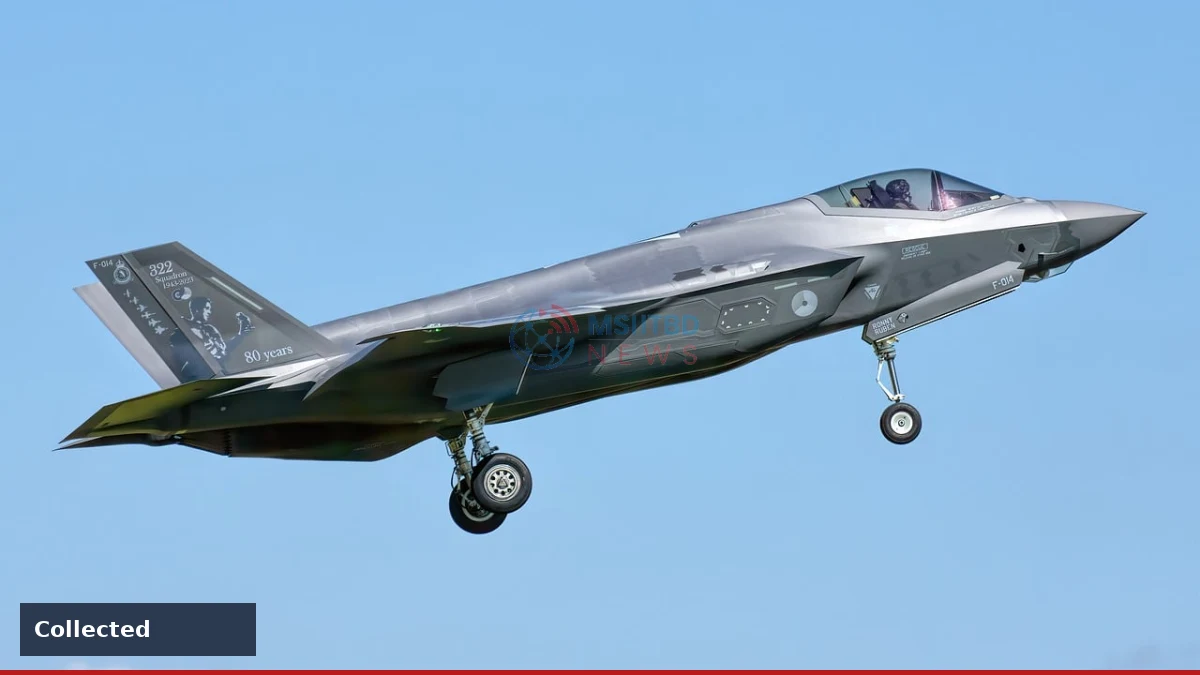
Ukrainian Defense Intelligence Directorate says a Russian Su‑57 stealth fighter detonated on the runway at Akhtubinsk airbase on Oct. 29, before it ever left the ground.
Key points
- Ukrainian intelligence reports a $150 million Su‑57 exploded on the ground at Akhtubinsk on Oct. 29; the aircraft never took off.
- Poor‑quality aviation fuel is mentioned as a possible cause, but the exact trigger has not been confirmed.
- The incident may represent the fourth Su‑57 loss reported in 2026, adding to a broader pattern of Russian aircraft setbacks.
- Russia’s increased imports of Jet A‑1 fuel from India have been noted, yet no direct connection to the explosion has been proven.
According to Ukraine’s Defense Intelligence Directorate (HUR), a Su‑57 fifth‑generation fighter valued at roughly $150 million exploded during engine start‑up at the Akhtubinsk military airbase in Russia on Oct. 29, ending its flight before it could take off.
The Su‑57, powered by AL‑41F1 turbofan engines, is Russia’s most advanced combat aircraft and is promoted as a counterpart to Western stealth jets such as the F‑22 and F‑35, though only a limited number have entered service.
Incident details
HUR identified the possible use of poor‑quality aviation fuel as one factor that could have triggered a catastrophic engine failure, but the directorate stopped short of confirming the exact cause of the blast.
The incident arrives amid a spate of Russian aircraft losses, including two Su‑57s struck by Ukrainian drones at the Shagol airfield on April 25 and a friendly‑fire shoot‑down near Moscow on July 23, suggesting this could be the fourth known Su‑57 loss in 2026.
Possible causes and fuel context
Separately, HUR noted that Russia’s reliance on imported Jet A‑1 fuel has risen, citing shipments of nearly 40,000 metric tons from India’s Vadinar refinery that reached the Russian port of Nakhodka in September, though no direct link between those imports and the Akhtubinsk explosion has been established.
If confirmed, the loss underscores the vulnerability of Russia’s limited Su‑57 fleet and adds to a reported tally of 13 Russian warplanes destroyed or damaged in a five‑week period, according to Ukrainian sources.
Broader pattern of Russian aircraft losses
Further verification of the explosion’s cause remains pending, but the event highlights ongoing challenges for Russia’s air force as the conflict continues.
Reader questions
What is known about the cause of the Su‑57 explosion?
Ukrainian Defense Intelligence Directorate suggested that low‑quality aviation fuel could have caused a catastrophic engine failure, but it has not confirmed the precise cause.
How many Su‑57 fighters have been reported lost in 2026?
Ukrainian sources indicate up to four incidents involving Su‑57s this year, including the Akhtubinsk explosion, drone strikes at Shagol, and a friendly‑fire shoot‑down near Moscow.
Is there a confirmed link between imported Jet A‑1 fuel and the explosion?
While HUR highlighted recent imports of Jet A‑1 fuel from India, it has not established a direct link between those shipments and the Akhtubinsk incident.
Source: united24media.com