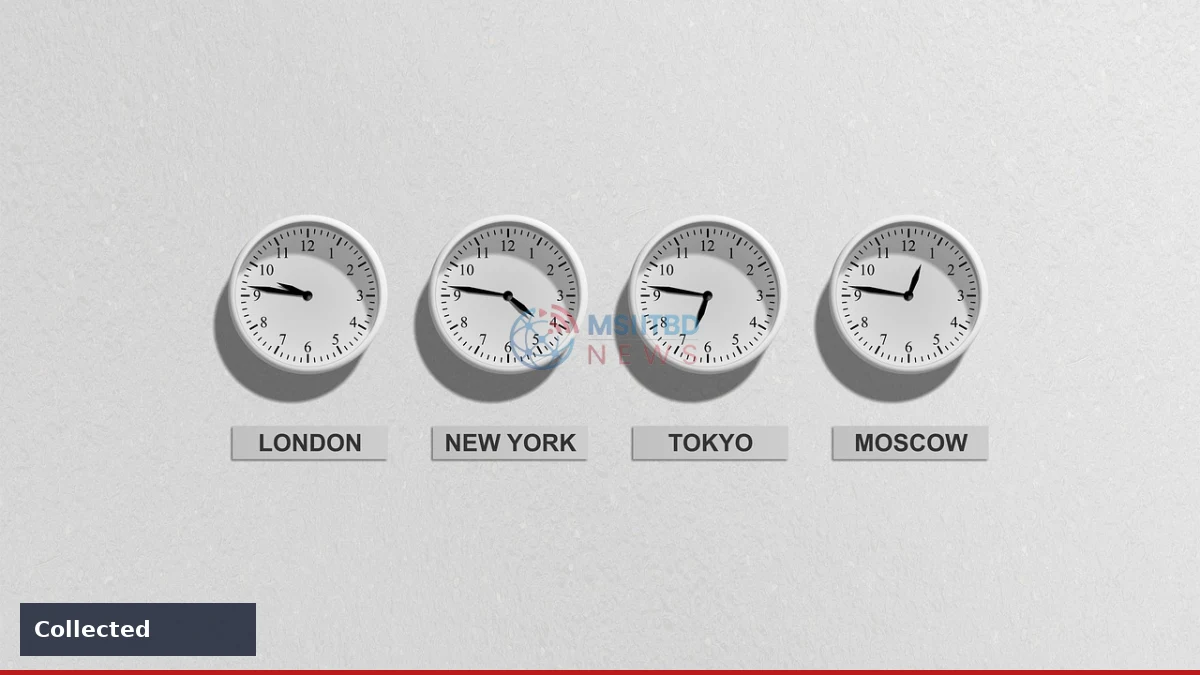
When the US and most of eastern Canada turned clocks back on Nov 1, Wall Street didn’t move its doors, but its global clock did.
Key points
- Wall Street’s cash session now runs 14:30‑21:00 GMT, an hour later for non‑US traders.
- US economic data releases and Fed announcements are also shifted one hour later in GMT.
- Asian‑Pacific desks see a narrower gap with US trading, requiring schedule adjustments to avoid mistimed orders.
- Western Canadian provinces remain on a different clock, but this does not impact the major Canadian exchanges.
The United States and most of eastern Canada ended daylight‑saving time on Sunday, Nov 1, moving clocks back one hour. Local exchange hours on the New York Stock Exchange and Nasdaq remain 9:30 a.m. to 4:00 p.m. Eastern, but the shift to Eastern Standard Time (UTC‑5) pushes the session to 14:30‑21:00 GMT for anyone watching from outside North America.
For traders in Asia, Australia and Europe the change narrows the overlap between US cash trading and their own markets. In Sydney, the NYSE now opens at 01:30 local time and closes at 08:00, while Tokyo sees the US session from 23:30 to 06:00. Singapore and Hong Kong experience a 22:30‑05:00 window. European desks return to the usual winter overlap with London, as the brief period when New York opened at 13:30 GMT has ended.
Clock change moves US market window in GMT
The timing of US economic releases follows the same shift. Data normally released at 08:30 ET – such as payrolls and inflation numbers – now lands at 13:30 GMT, and Federal Reserve decisions at 14:00 ET occur at 19:00 GMT. CME Globex futures, which reopen at 18:00 ET on Sunday, now restart at 23:00 GMT, and the 17:00 ET close that marks the FX day‑turn now falls at 22:00 GMT.
Canada’s western provinces – British Columbia, Alberta, Manitoba and the Northwest Territories – did not change clocks this year, creating a one‑hour mismatch with their US neighbours. The discrepancy does not affect the Toronto or Montreal exchanges, which follow Ontario and Quebec’s shift.
New timing for US data releases and futures
The next scheduled clock change for US markets will be on March 14, 2027, when clocks move forward again for daylight‑saving time.
Reader questions
What time does the New York market open in GMT after the DST change?
The NYSE and Nasdaq now open at 14:30 GMT and close at 21:00 GMT.
How does the clock change affect trading hours in Sydney and Tokyo?
In Sydney the US market opens at 01:30 local time and closes at 08:00; in Tokyo it runs from 23:30 to 06:00.
When is the next US clock adjustment that will affect market times?
US clocks will move forward again on March 14, 2027, restoring daylight‑saving time.
Source: investinglive.com