A volcanic blast that erupted from beneath the sea more than 7,000 years ago reshaped the lives of Japan’s earliest foragers, a new archaeological analysis shows.
Key points
- The Kikai‑Akahoya undersea eruption was a VEI‑7 event that caused widespread ash fall, tsunamis and ecological disruption across Japan.
- Archaeological dating of 540 samples shows that population responses varied: some regions declined, others grew, and many survivors appear to have relocated to coastal areas.
- Counting dated finds provides a broad view of regional demographic trends, revealing migration and economic adaptation after the disaster.
- Insights from this ancient event help frame how modern societies might respond to abrupt climate‑related shocks.
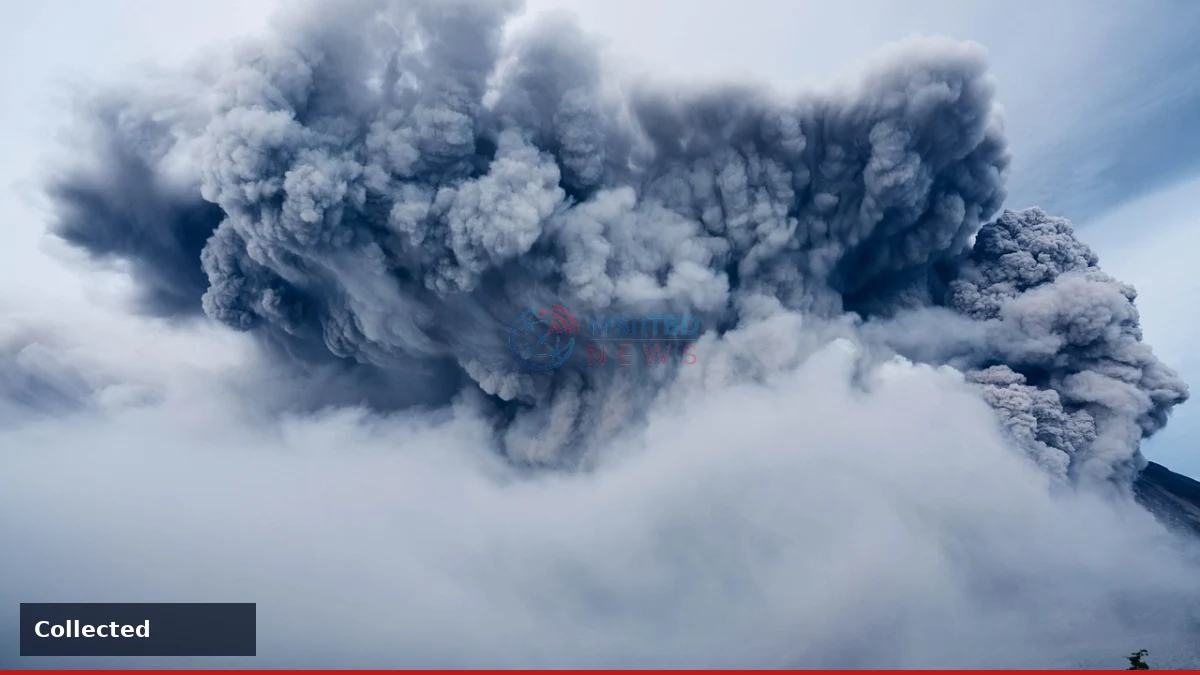
The Kikai‑Akahoya eruption, which occurred around 5250 BCE off southwestern Japan, unleashed a series of undersea blasts that scored 7 out of 8 on the volcanic explosivity index, according to the source article. The event generated powerful earthquakes, massive tsunamis and meters‑deep ash deposits that blanketed nearby islands.
To gauge how the disaster affected human societies, an international team examined 540 archaeological samples—charcoal, bone and other radiocarbon‑dated finds—spanning 8,000 to 6,500 years ago. By comparing the number of pre‑ and post‑eruption dates in each region, the researchers inferred relative population activity rather than exact head counts.
The 5250 BCE undersea blast
The analysis revealed stark regional contrasts. In southern Kyushu, the area closest to the blast, Jōmon forager groups were already declining before the eruption and continued to shrink afterward. Further north, communities that had been expanding kept growing, suggesting that some groups moved away from the disaster zone.
Coastal zones showed the fastest ecological recovery, and the study proposes that inland survivors migrated toward the sea, adopting new subsistence strategies. In more distant regions such as Ise Bay, population growth stalled or reversed, possibly due to short‑term cooling, unidentified climate effects, or loss of food sources as ash‑covered vegetation damaged the teeth of deer and boar.
How researchers tracked human activity
Archaeologists Peter Jordan (Lund University) and Enrico Crema (Cambridge University) emphasized that even in dire circumstances, survivors “must act, adjust, collaborate and find new connections.” Their comments underscore how the ancient response mirrors modern challenges of climate‑driven shocks.
The researchers argue that the study offers a long‑term perspective on how societies cope with sudden natural catastrophes, a topic increasingly pertinent as contemporary climate change intensifies extreme events. By highlighting uneven impacts—some groups wiped out, others thriving—the work adds nuance to our understanding of cultural resilience.
Reader questions
What was the Kikai‑Akahoya eruption?
It was a massive undersea volcanic eruption that occurred around 5250 BCE off the southwestern coast of Japan, ranking 7 out of 8 on the volcanic explosivity index and generating earthquakes, tsunamis and thick ash deposits.
How did researchers determine changes in Jōmon populations?
They analyzed 540 radiocarbon‑dated archaeological samples from across Japan, comparing the frequency of pre‑ and post‑eruption dates in each area to infer relative increases or decreases in human activity.
Why are the findings relevant to today’s world?
The study shows how sudden natural shocks can produce uneven regional effects and drive migration and economic shifts, offering a long‑term analogue for modern societies facing climate‑driven disasters.
Source: aroundprague.cz