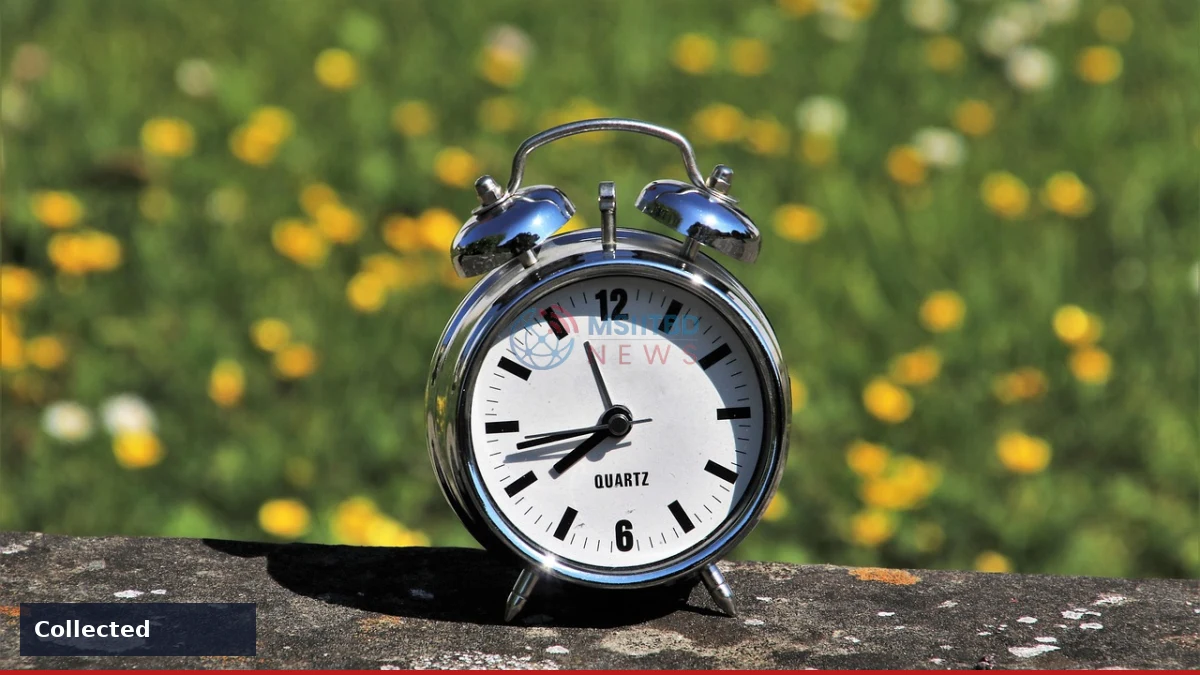

The November “fall back” gives you an extra 60 minutes—use it wisely, and it could give your heart a break.
Key points
- Most people only use about 36 minutes of the extra hour; aim to use the full 60 minutes for potential heart benefits.
- The fall DST shift is less risky for heart attacks than the spring shift, but it still disrupts circadian rhythms.
- Adjust your bedtime by 10–20 minutes before the change and prioritize a steady wake‑up time.
- Combine the extra sleep with healthy habits—balanced meals, exercise and morning sunlight—to support cardiovascular health.
When clocks roll back an hour on Sunday, Nov. 1, many people assume the extra time will automatically translate into more sleep. Dr. Mike Varshavski, a family‑medicine physician, cautions that most people only capture about 60 % of that hour—roughly 36 minutes—according to research cited by TODAY.com.
Harvard Health Letter notes that the “fall back” does not guarantee a sleep gain, but gaining an hour of rest in a sleep‑deprived society is not harmful to the heart. In fact, Dr. Varshavski points to evidence suggesting the added sleep may lower fight‑or‑flight activation, blood pressure and overall physiological stress, offering a modest cardioprotective effect.
Why the fall time change matters for the heart
The American Heart Association has linked the spring “spring forward” shift, which steals an hour of sleep, to spikes in heart attacks and strokes in the days that follow. The fall transition is generally gentler because it aligns more closely with our natural circadian rhythm, yet the sudden shift can still disrupt sleep routines for several days.
To capture the full benefit, Dr. Varshavski recommends starting to adjust your nighttime routine 10–20 minutes earlier a few days before the change and focusing on a consistent wake‑up time rather than a rigid bedtime. He also stresses the usual heart‑healthy basics: a balanced diet, regular exercise and morning sunlight to reinforce the body’s internal clock.
Expert advice on making the most of the extra hour
By planning ahead and treating the extra hour as an opportunity for restorative sleep, you can help smooth the circadian adjustment and give your cardiovascular system a small but meaningful boost during the seasonal time change.
Reader questions
Will the extra hour of sleep actually lower my risk of a heart attack?
Research cited by Dr. Varshavski suggests the additional sleep may reduce physiological stress and blood pressure, which could be cardioprotective, but the evidence is not definitive.
How much extra sleep do most people get after the fall time change?
Harvard Health Letter reports that people typically capture about 60 % of the added hour, roughly 36 minutes.
What simple steps can I take before the clocks change?
Start shifting your bedtime earlier by 10–20 minutes a few days in advance, keep a consistent wake‑up time, eat well, stay active and get morning sunlight.
Source: today.com