France’s foreign minister says Iran’s Islamic Revolutionary Guard Corps orchestrated a cyber‑attack that raised temperatures in supermarket fridges across the country.
Key points
- France alleges the IRGC’s Shahid Kaveh cyber unit hacked refrigeration software, causing widespread food spoilage.
- The attacks targeted Danfoss‑controlled systems and spread to several European countries beyond France.
- French authorities have opened a criminal investigation, summoned Iran’s ambassador, and signaled possible sanctions.
- Iran has not confirmed involvement; attribution remains contested and technically complex.
Foreign Minister Jean‑Noël Barrot told reporters that Iran’s Islamic Revolutionary Guard Corps (IRGC) was behind a cyber‑attack that raised the temperatures of supermarket fridges and freezers in France last month, describing the act as “unprecedented in both its scale and its level of aggression.”
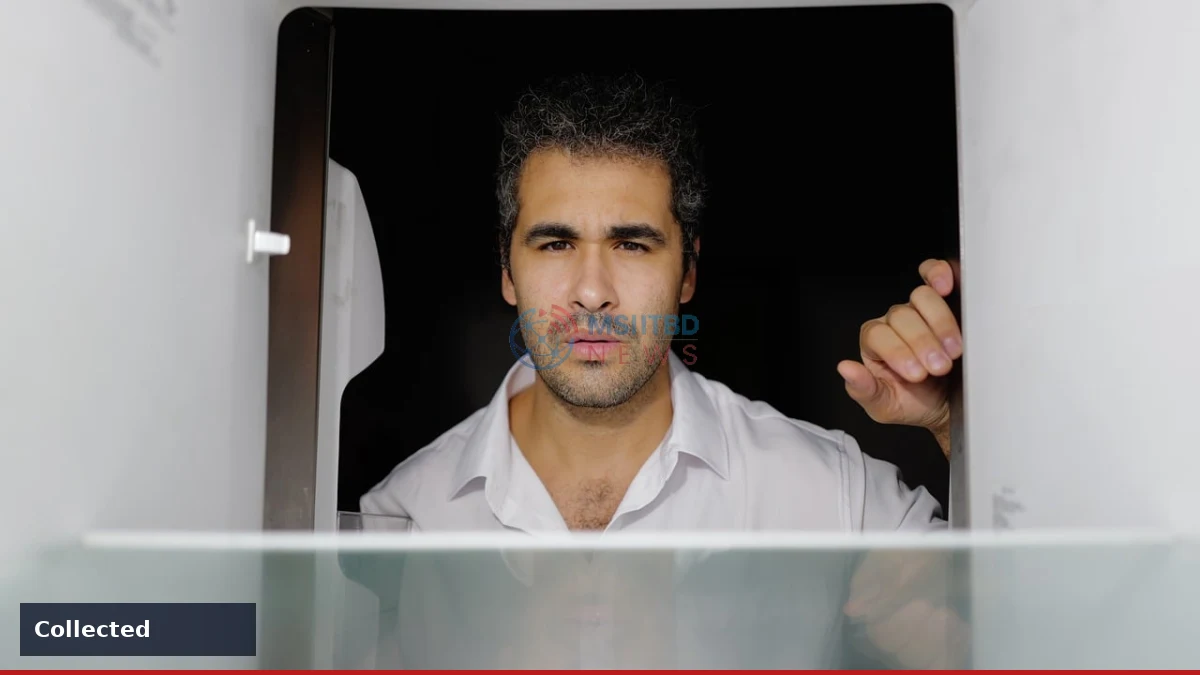
The intrusion hit more than 100 Coopérative U stores, around 180 Intermarché and Netto outlets, and also affected major chains such as Carrefour, Monoprix and E.Leclerc, with some refrigeration units reportedly reaching 50 °C (120 °F) overnight, leading to the loss of tons of frozen and chilled food.
Alleged Iranian involvement
Investigators say the malware targeted temperature‑control software supplied by Danish engineering firm Danfoss, which allows retailers to manage cold units remotely, giving the attackers the ability to manipulate settings from afar.
Paris prosecutors have opened a case against the head of an IRGC offensive cyber unit and two of his deputies, naming the unit “Shahid Kaveh” and noting its affiliation with the IRGC’s electronic and cyber centre.
Scope of the attacks
France summoned Iran’s ambassador to Paris to lodge a “very strong protest” and warned that “any other necessary and proportionate measures” – including sanctions – would follow; Iran has not issued an official response, and some Iranian media have dismissed the allegations as baseless.
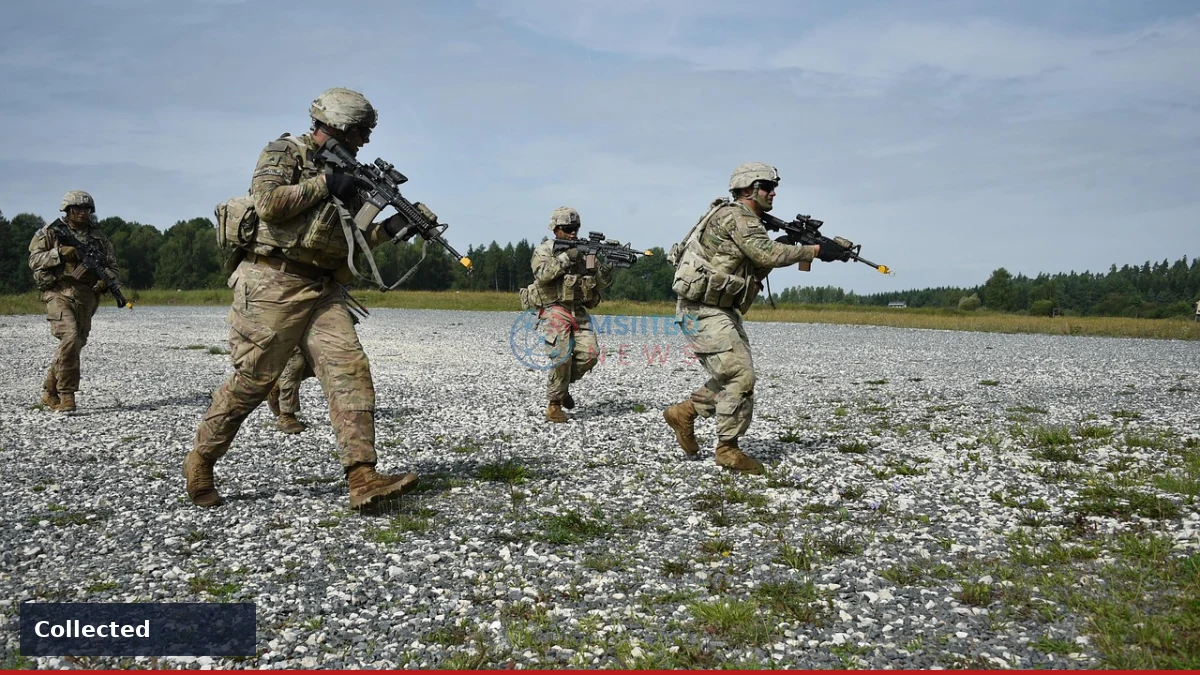
A second wave of similar hacks later this month affected more than 100 stores across Belgium, Luxembourg, Sweden, Ireland, the Netherlands, Estonia and Finland, while earlier in August a handful of U.S. military bases experienced fridge malfunctions that are also being investigated as possible cyber incidents.
French response and investigation
Attribution of cyber‑attacks is notoriously difficult. Although Russian‑aligned hacktivist groups claimed responsibility, French officials said the evidence points to the IRGC’s Shahid Kaveh unit, though they have not disclosed the technical details of how that conclusion was reached.
Reader questions
How many supermarkets were affected in France?
More than 100 Coopérative U stores, about 180 Intermarché/Netto outlets, and additional locations of Carrefour, Monoprix and E.Leclerc were reported as hit.
What evidence links the IRGC to the hack?
French prosecutors identified the Shahid Kaveh unit, described as an IRGC offensive cyber unit, and its two deputies, but the government has not released the specific technical evidence used for attribution.
What was the impact on food supplies?
Temperatures in affected units rose to as high as 50 °C, leading to the destruction of tons of frozen and chilled food across the impacted supermarkets.
Source: bbc.com