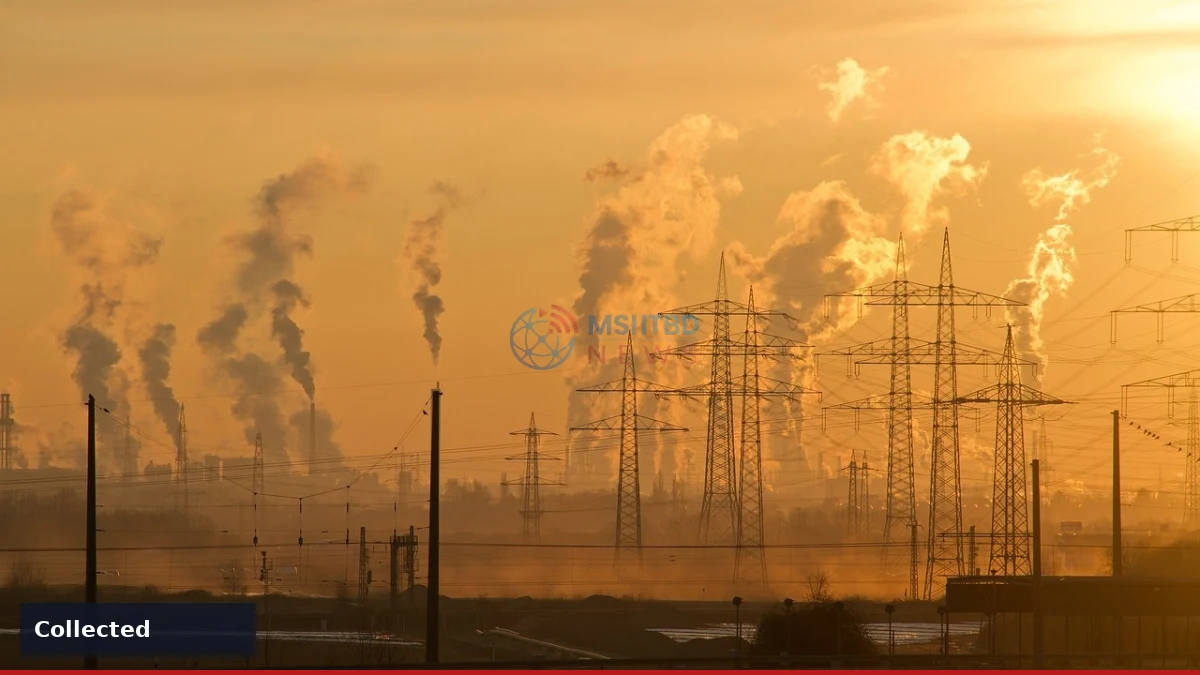

Delhi awoke on Diwali eve shrouded in a thick smog, with the Central Pollution Control Board reporting an AQI of 362 – the worst the capital has seen in ten years.
Key points
- Delhi’s AQI of 362 on Diwali eve is the highest in a decade, surpassing the previous peak of 404 in 2016.
- Stubble burning, vehicle emissions, and firecracker use are identified as the main contributors to the smog.
- The government responded by moving schools online and encouraging work‑from‑home arrangements to protect public health.
The Central Pollution Control Board (CPCB) recorded a "very poor" air‑quality index of 362 for Delhi on Saturday, November 7, 2026, marking the highest reading since the AQI hit 404 on October 29, 2016. Swiss monitoring service IQAir simultaneously listed Delhi as the world’s most polluted major city for the day.
Experts point to a combination of sources: vehicular emissions, seasonal stubble burning in the neighboring states of Punjab and Haryana, and the large‑scale ignition of firecrackers that traditionally accompanies Diwali celebrations. The convergence of these factors pushed the AQI into the "severe" range, with forecasts warning of further deterioration on Sunday.
Air quality reaches 'very poor' level
In anticipation of the hazardous conditions, the Delhi government ordered schools in the capital and surrounding areas to shift to online classes and urged employers to allow staff to work from home. Public health advisories recommended that residents, especially children, the elderly and those with respiratory conditions, limit outdoor activity and wear masks if they must venture outside.
While the immediate health impact remains to be fully assessed, the episode underscores the recurring challenge of managing air quality during winter months and major festivals. Authorities have previously warned that without coordinated action on stubble burning and stricter enforcement of firecracker bans, similar spikes are likely to recur each year.
Reader questions
What does an AQI of 362 mean for health?
An AQI above 300 is classified as "hazardous"; it can cause serious respiratory distress, especially for children, the elderly and people with pre‑existing conditions.
Why does air pollution spike during Diwali?
Firecrackers release large amounts of particulate matter and gases, adding to the baseline winter pollution from vehicles and agricultural residue burning.
What measures can individuals take during such high pollution events?
Stay indoors as much as possible, keep windows closed, use air purifiers if available, wear N95‑type masks when outside, and avoid strenuous outdoor activities.
Source: dw.com